August 2021

Among the new furnishing trends, the rise of sustainable design that respects the environment around us stands out above all. This need stems from a growing awareness of how every individual choice plays a decisive role in the collective well-being and that of the planet. Eco-sustainable furniture therefore becomes an expression of a shared goal, especially among younger generations. According to recent studies, Millennials and Generation Z are the most inclined to invest in eco-friendly products. This is an intention that interior design can only support and encourage, with innovative solutions or eco-furnishings born from recycling and reuse. Here are some eco furniture trends to consider in your interior design projects.
What is sustainable design
Sustainable design is an approach to designing products and services that reduces environmental and social impacts throughout their entire life cycle (extraction, manufacturing, use, maintenance, reuse, and end of life). Eco-sustainable furniture thus becomes an expression of a shared goal, especially among younger generations. According to recent studies, Millennials and Generation Z are the most inclined to invest in eco-friendly products.
It integrates strategies such as reduction, reuse, recycling, the use of renewable energy, conscious material selection, and objective measurements such as carbon footprint, water footprint, and LCA (Life Cycle Assessment). Born as a response to the energy and environmental crises of the 20th century, sustainable design today focuses on product-service systems, supply chains, and local territories, including social aspects (health, safety, non-toxicity, working conditions) and economic ones (TCO, total cost of ownership).
3 pillars of sustainable design:
- 1 – Durability: design for a long lifespan using resistant materials, low-maintenance finishes, and timeless choices.
- 2 – Maintenance and reuse: modular and standardized components for partial replacements; includes reuse and refitting of furniture elements.
- 3 – Material traceability: technical sheets showing origin, recycled content, and certifications (FSC/PEFC, EPD, Cradle to Cradle, EU Ecolabel).
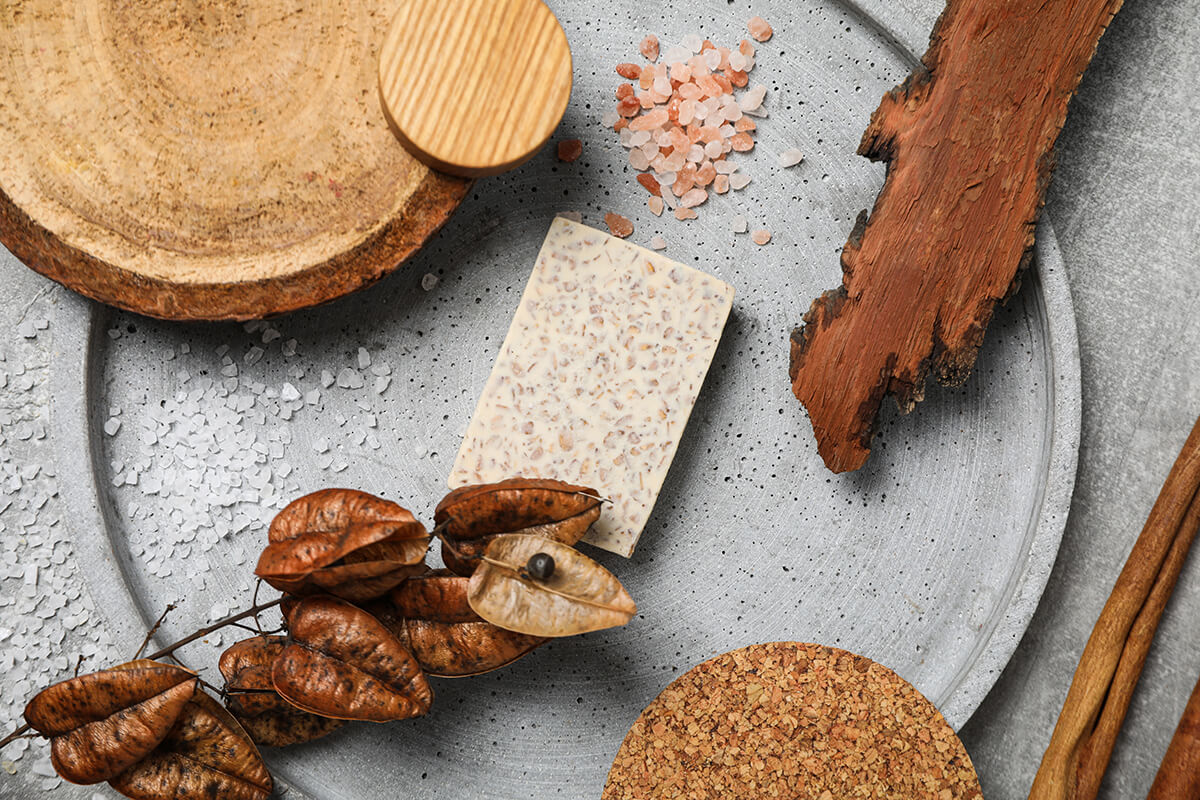
Choosing sustainable materials with FSC/PEFC certifications is the first step toward a truly green project.
What is meant by ecodesign? Differences and similarities
Ecodesign is the practical application of sustainable design, aimed at the circular design of products, services, and processes. If sustainable design defines vision and goals, ecodesign provides the methods and tools to achieve them.
7 principles of eco-design:
- 1 – Life-cycle thinking (thinking across the entire life cycle)
- 2 – Resource reduction (weight, components, packaging)
- 3 – Renewable/recycled/non-toxic materials
- 4 – Repairability and modularity (Design for Disassembly)
- 5 – Energy efficiency/optimization in production and use
- 6 – Impact minimization (CO₂, water, waste) measured and verifiable
- 7 – Design for reuse/recycling (mono-materials, marking, disassembly)
LCA and standards:
- – LCA – Life Cycle Assessment: a quantitative measurement of environmental impacts from “cradle to grave”.
- – ISO 14006:2020: a guideline for integrating ecodesign into environmental management systems (part of the ISO 14001 family).
Eco-sustainable materials for interior design
When it comes to sustainable interior design, the first aspect to consider is certainly the materials used. In the new eco furnishing trends, there are both classic and innovative options, as long as they are biodegradable, recyclable, or reusable. The most appreciated include:
Wood
Always a material of unique beauty, wood has numerous virtues, from resistance to its insulating properties. Another valuable quality is its natural origin, which is particularly on-trend in contemporary interior design. The essential factor is that it must be FSC or PEFC certified, guaranteeing its origin from sustainably managed forests. Recycled panels (chipboard/MDF from post-consumer sources) with low formaldehyde levels are also available.
Marble and natural stones
Sustainable design also embraces marble and natural stones. These durable, reusable materials add elegance to interiors and allow the reuse of waste for the creation of refined, eco-friendly furnishings. Modern ceramics can also contain recycled content and offer long-lasting durability with low-maintenance finishes.
Glass
Glass is making a major comeback in sustainable interior design. Delicate decorative panels, elegant colored tiles, and light glass doors are among the new eco furnishing trends. Glass elements are easy to clean and available in many variants — from transparent options that enhance brightness to frosted, enameled, or colored textures that increase privacy. These effects can be integrated into your interior design projects using 3D design software that allows material editing, such as ArredoCAD.
Bioplastics
Traditional plastic certainly has a poor reputation when it comes to environmental impact. However, innovative bioplastics derived from recycling are transforming into contemporary eco-friendly furniture. The preferred materials are monomaterial PP/PE and rPET (recycled PET), designed with optimized thickness and recycling-friendly marking. PLA can be used for packaging or non-structural parts. These next-generation technopolymers combine aesthetics and environmental awareness for a more rational and conscious interior design.
Aluminum and metals
Extracted from bauxite, aluminum is resistant to oxidation and corrosion processes. Moreover, it is infinitely recyclable and retains its lightness and strength. For this reason, aluminum also finds wide application in eco-design, especially with an industrial style. Along with high-recycled-content steel, these metals are excellent for disassembly and infinite recycling.
Extracted from bauxite, aluminum is resistant to oxidation and corrosion processes. Moreover, it is infinitely recyclable and retains its lightness and strength. For this reason, aluminum also finds wide application in eco-design, especially with an industrial style, as long as it’s not used as an insulator.
Biomaterials and natural fiber textiles
Textiles also follow the trend of sustainable interior design. Natural fibers cover seating, carpets, and curtains with a rediscovered green charm. From hemp to jute, from linen to cotton, eco furnishing wraps itself in nature. Emerging biomaterials also include cork, bamboo, and bio-composites. For textiles, regenerated wool and cotton, recycled PET, and low-impact dyes are preferred. Natural fibers bring warmth and comfort, perfectly suited to an eco-conscious aesthetic.
Material selection criteria table
| Criterion | Key Questions | Notes/Examples |
|---|---|---|
| Renewability | Does it come from a renewable source? | FSC/PEFC wood, cork, bamboo |
| Recycled Content | % of pre/post-consumer recycled material? | Recycled steel and aluminum, rPET |
| Recyclability/Biodegradability | Is it monomaterial? Easily recyclable? | Monomaterial PP/PE, compostable PLA |
| Non-toxicity/Air Quality | VOC, formaldehyde, heavy metals? | Water-based paints, CARB2/E1 panels |
| Durability/Maintenance | Resistant to abrasion, UV, humidity? Repairable? | HPL, thermo-treated wood |
| Certified Supply Chains | Are there EPD, C2C, EU Ecolabel certifications? | Prefer materials with environmental declarations |
| Distance/Transport | Kilometers traveled, weight/volume in transport? | Local suppliers, reduced packaging |
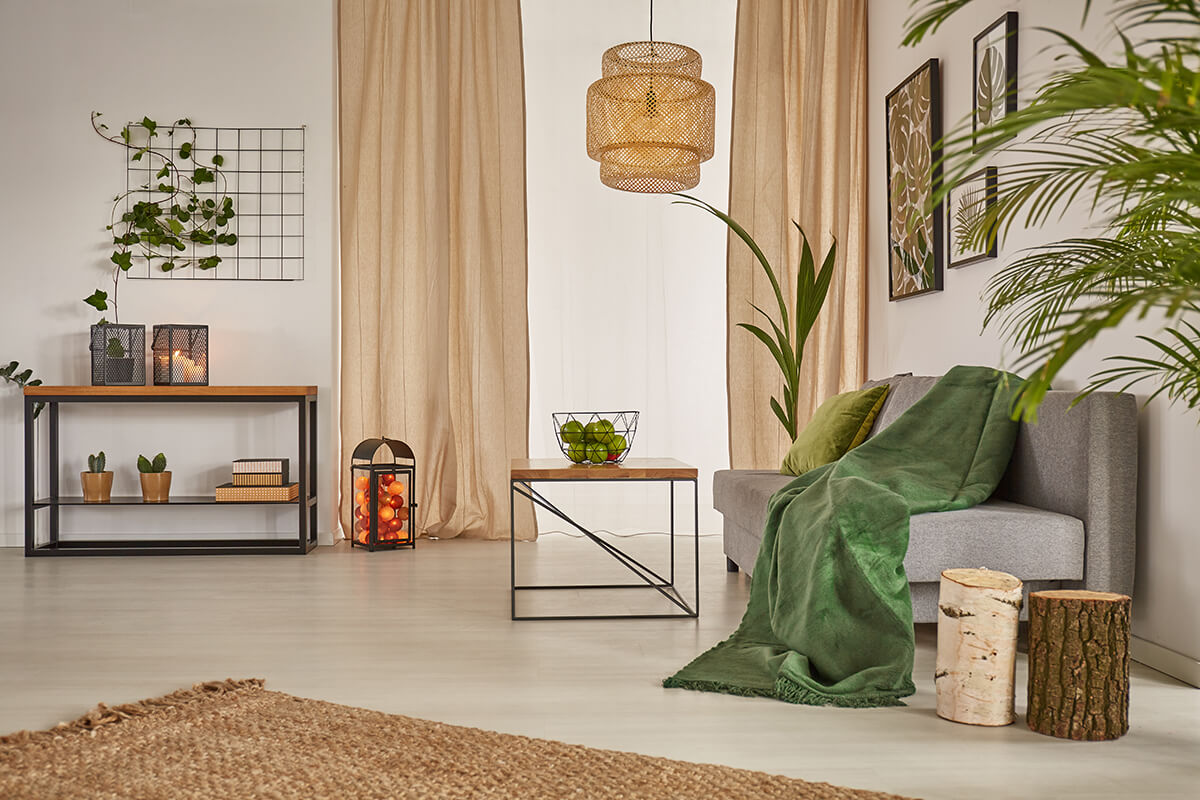
With ArredoCAD, you can preview your sustainable design ideas and compare different material solutions.
Technology serving sustainable design
Sustainability also means the well-being of those who live or work in a space. This applies to workplaces where many spend most of the day, as well as domestic interiors. The goal of biophilic design is to improve psychophysical balance by creating a new harmony between nature and the urban environment. Technology helps with increasingly innovative devices to regulate heat and brightness, reduce noise pollution, and improve visibility. Often, this means making the most of natural light and enhancing it with the right colors. LED lighting with removable components and replaceable drivers, made with extruded aluminum bodies with high recycled content, is a perfect example of how technology and sustainability can coexist.
Examples of sustainable design
Everyday objects
Modular seating in recycled aluminum and rPET fabric: replaceable cushions, standard screws, and maintenance-ready exploded views. When sustainable design enters daily life, it’s recognized by practical details that improve usability and extend product life. LED lamps with detachable components and replaceable drivers; extruded aluminum bodies with high recycled content that ensure long-lasting efficiency. Monomaterial PP containers: without dark additives, marked for recycling, with integrated “film” hinges (fewer parts) that facilitate circularity.
Eco-friendly furniture for residential and contract interiors
Undisputed protagonists of eco furnishings, eco-sustainable furniture sets new trends. Solutions made from reclaimed materials, adapted to create new design impressions and conceived to offer both savings and durability. Kitchens with structures in low-emission recycled panels, certified wood doors, recycled ceramic countertops, and standard, easily replaceable hardware. Homes are rediscovering the power of recycling, filling with natural materials, refurbished furniture, and sustainable decorative elements. Finishes with natural linoleum or recycled terrazzo stoneware, water-based adhesives that ensure durability and easy maintenance. Drywall partition systems with aluminum frames, interchangeable panels, and end-of-life recovery. Where flexibility is needed, these systems allow reconfiguration of spaces and material recovery without invasive demolitions.
Packaging and micro-furnishings for the circular economy
Packaging and small furnishings also contribute to the circular economy: Packaging made of recycled cardboard with water-based inks, free from mixed plastics, simplifies recycling and reduces waste. Retail displays made of honeycomb cardboard, dismantlable, foldable, and reusable, lower logistics costs and environmental footprint — demonstrating that sustainability can go hand in hand with functionality and effective brand communication.
The formula for eco-sustainable furnishing
Furnishing is no longer just a matter of aesthetics and comfort. Harmony within spaces aligns with harmony between people and nature. Every form of waste should be avoided by optimizing surfaces and energy use, choosing reuse over the “disposable” logic. This represents a new way to think, live, and enhance design. Comfort and durability are the key values to pursue to improve livability and respect for the environment. The main brands in the sector have been focusing their research for years on developing sustainable materials and furnishings. Rethinking interior design with sustainability in mind is therefore essential for every interior designer.
How ArredoCAD helps design (and present) sustainable choices
ArredoCAD Designer is the interior design software that provides an extensive library of 3D furniture elements from top design brands. From eco-friendly furniture to materials for wall coverings, floors, fabrics, and accessories, all can be customized to your project needs.
Material and texture management
In addition to the many wood, metal, marble, and fabric textures available in the library, you can easily import any external texture in JPG, BMP, or PNG format. You can test various material options and preview selected colors to evaluate the final look of your eco-friendly project.
Space and lighting optimization
Optimize space management and lighting distribution, generating high-resolution 3D renders in just a few minutes. For example, you can create any natural or artificial lighting effect and preview furniture colors and spatial arrangements to evaluate the entire project comprehensively.
Professional client presentation
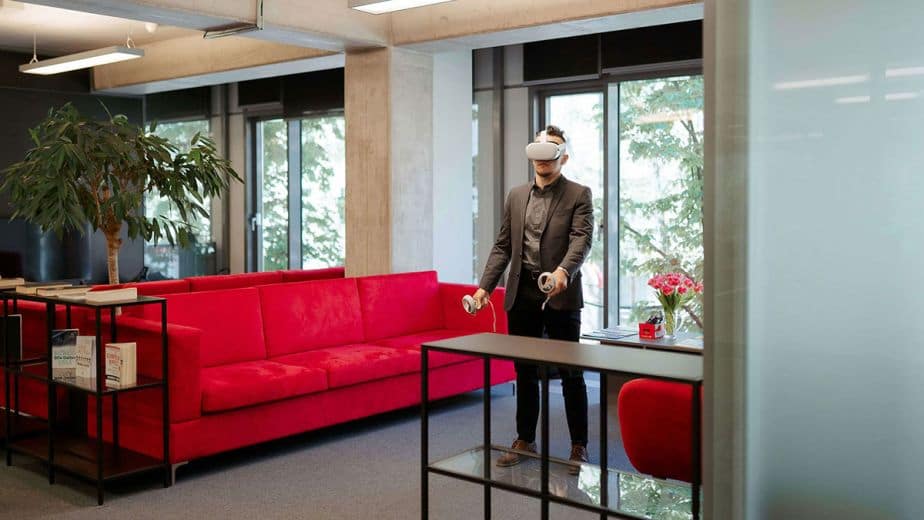
To guide clients through your sustainable interior design proposals, you can use 3D previews, RealTime virtual tours inside the project, and even Virtual Reality. Request your free trial on the website and start designing your environmentally conscious interior projects today.
Sustainable design: frequently asked questions
Which materials are the most sustainable?
It depends on the context: choose recycled/recyclable, renewable, low-emission, and durable materials. Always check certifications (FSC/PEFC for wood, EPD, Cradle to Cradle, EU Ecolabel).
How is a project’s impact measured?
Through an LCA (Life Cycle Assessment) supported by supply chain data; when available, use material EPDs (Environmental Product Declarations).
Is sustainable design more expensive?
The initial cost may be similar or slightly higher, but the TCO (Total Cost of Ownership) decreases thanks to durability, reduced maintenance, and reuse potential.
Which certifications really matter?
For materials: FSC/PEFC (wood), EPD, Cradle to Cradle, EU Ecolabel; for management systems: ISO 14001/14006.
Visit our news section to stay up to date with the latest sustainable design trends.