September 2025
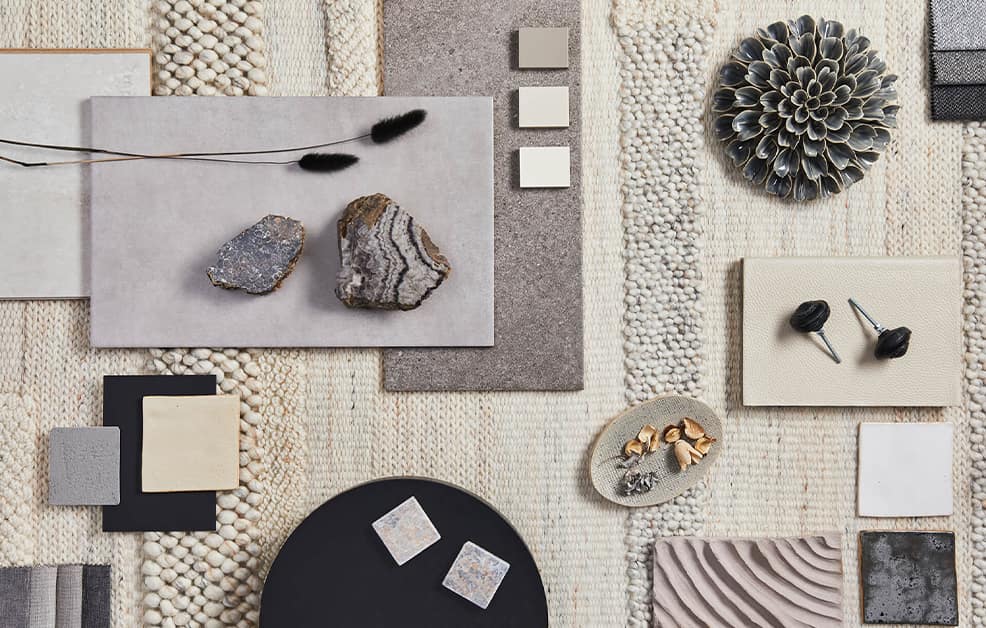
In interior design, every project starts with an idea. However, turning a concept into a concrete proposal requires method and the right tools. The moodboard is one of them: a visual board that collects materials, colors, finishes, and reference images to define the aesthetic identity of a space. Today, the moodboard is no longer just a creative support, but becomes an integral part of the design process, linking aesthetic choices to photoreal renderings, floor plans, and immersive 3D simulations.
What is a moodboard
A moodboard is a design board that collects and organizes images, materials, colors, and visual inspirations aiming at representing the soul of an interior design project. It is not a random collage, but a carefully studied composition that translates abstract concepts into concrete visual references. Its value lies precisely in its ability to transform an idea into a shareable language: thanks to the moodboard, the designer can clearly communicate the desired atmosphere and style, while the client can immediately visualize the creative direction. In this way, it becomes a decision-making and operational tool, ensuring consistency between the initial inspiration and the final realization of the spaces.
Components of a moodboard
Every effective moodboard is made up of some key elements: a color palette that defines main and complementary tones, the textures and materials that will give substance to the project, iconographic references that convey the desired atmosphere, and finally, furniture and finishes chosen according to a particular style. To complete the board, graphic elements such as typography, patterns, or icons are often added to reinforce the visual language.
Types of moodboards
Not all moodboards are the same: depending on the design context, they can serve different functions and have different characteristics. Each type responds to a specific need, whether it’s finding inspiration, defining a visual identity, or presenting a project to a client.
Physical moodboard
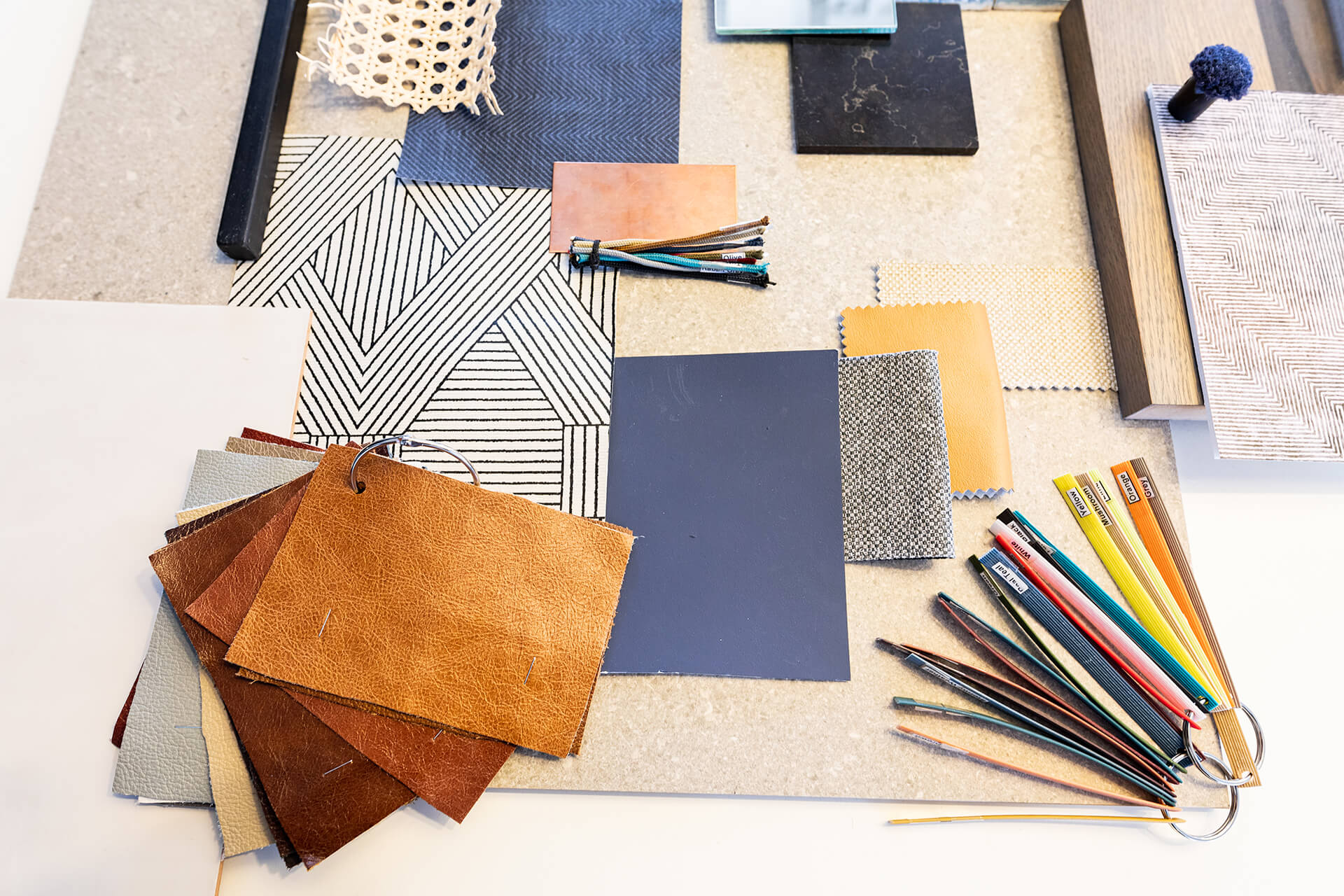
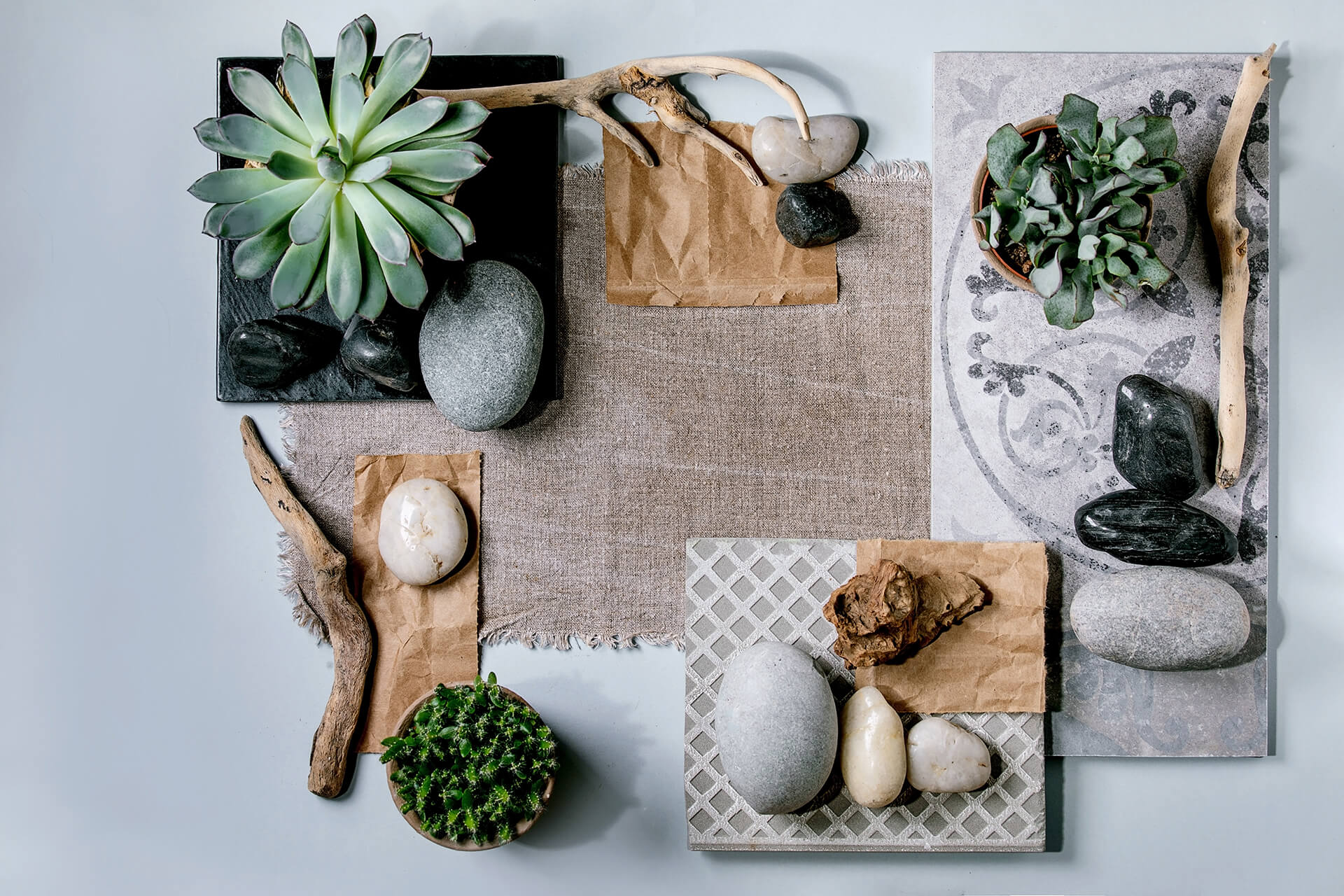
The physical moodboard is created with tangible materials such as fabric swatches, wood, stone, printed photos, or color charts. It is highly appreciated in contexts where the client needs to directly perceive the texture and quality of the materials. The tactile component becomes an integral part of the experience, making this type of moodboard ideal when you work for showrooms, hold on site presentations, and or to show projects that require strong sensory involvement.
Digital moodboard
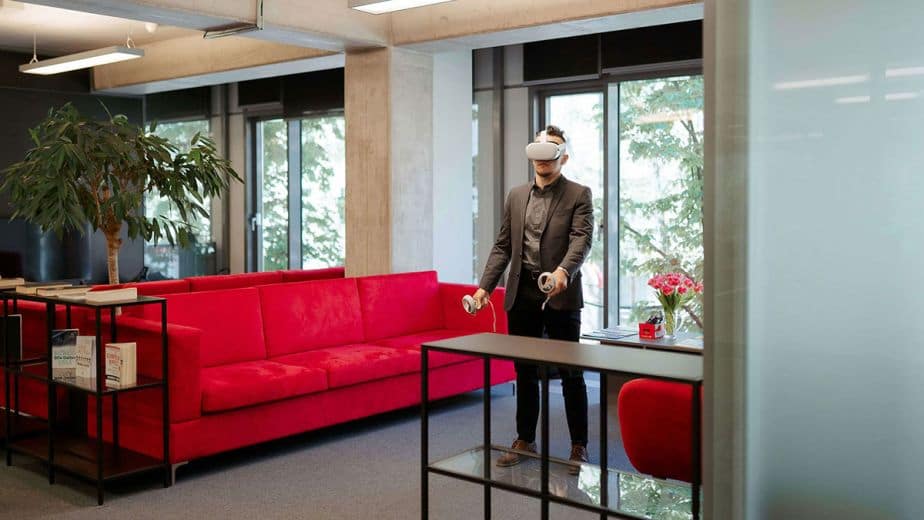
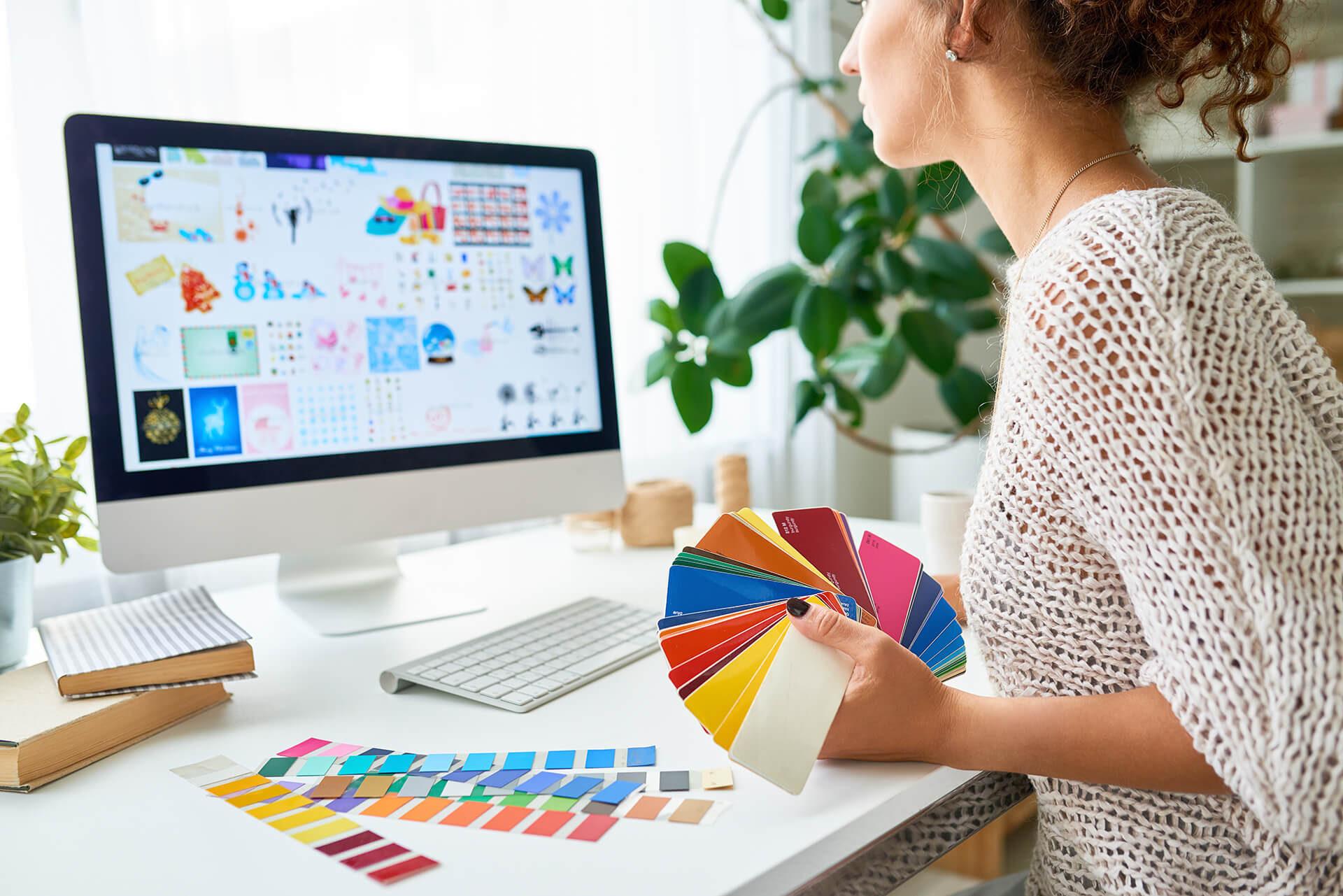
The digital moodboard is an essential tool for designers, created using design and graphic software. It allows colors, materials, and objects to be combined or modified quickly and easily, with the possibility of integrating them directly into 3D renderings and VR simulations. It is the ideal solution for professionals managing complex projects, teams located all over the world, or remote clients, thanks to the possibility to be immediately shared and updatedat any time.
Inspirational moodboard
The inspirational moodboard is a collection of visual and emotional stimuli. It may include photos, quotes, materials, and color palettes that evoke particular feelings. It is ideal in the early stages of the project because it allows different stylistic directions to be explored without rigid constraints, serving as a creative source for the whole process.
Branding moodboard
Branding moodboardWhen it comes to representing a company, the branding moodboard becomes essential. Logos, corporate color palettes, typography, and images that embody the brand’s philosophy are organized into a coherent board. This ensures uniformity in showrooms, stores, and communication materials, strengthening the brand’s visual identity.
Thematic moodboard
The thematic moodboard is created for events or specific projects, with the aim of capturing the essence of a precise theme. It can be used for trade fairs, exhibitions, weddings, or product launch campaigns, guiding aesthetic choices in terms of color palettes, materials, and decorations. Thanks to the possibility of focusing on a targeted concept, it is a highly versatile and impactful tool.
Visual elements and materials of a moodboard
The visual elements of a moodboards to be easily and quickly interpreted as well as able to convey emotions. Among the most used are evocative photographs, which help to tell the desired atmosphere, and color swatches, fundamental for testing color harmonies and understanding how primary and secondary tones interact. Textures, whether physical or digital, add depth to the composition by anticipating tactile sensations: a velvety fabric conveys warmth and comfort, while a shiny metallic surface suggests modernity and minimalism. These are complemented by sketches and drawings, which help visualize the distribution of spaces and the relationship between elements. Moreover, real materials come into play, giving substance to the project. Wood, stone, metal, glass, or fabrics are not just samples, but represent the actual choices that will characterize the final space. A well-constructed moodboard thus manages to combine abstract inspirations with practical decisions, turning the creative idea into a solid base on which to develop the project. If you want to learn more about how the choice of a material or finish can have a valuable impact on the atmosphere of a space, read our article on how to render textures and materials in interior design projects!
What is the purpose of a moodboard in interior design
For an interior designer, the moodboard is both a creative and an operational tool. It helps align client expectations from the early stages, guide design choices, facilitate communication within multidisciplinary teams, and ensure stylistic consistency even in the most complex projects. Moreover, presenting a clear and realistic moodboard increases client trust and makes the approval phase smoother.
How to create a professional moodboard
Creating a moodboard follows a precise process:
- Start with a short brief analysis and collection of inspirations;
- Define the color palette, testing it also in 3D;
- Select materials and finishes, from textures to furniture details;
- Compose the board, organizing elements with a clear hierarchy;
- Finally, proceed to validation and presentation with photorealistic renders, 360° panoramas, or immersive VR experiences.
Examples of moodboard applications
Moodboards are used in different contexts and sectors, adapting to project objectives.
Residential moodboard
In the domestic context, they help coordinate different spaces. An open space kitchen-living area, for example, can be designed with a coherent color palette that divides the two areas without breaking harmony. As to bedrooms, moodboards help select fabrics and lighting that increase a relaxing atmosphere or, conversely, a more modern and dynamic one.
Contract moodboard
For hotels, restaurants, and offices, the moodboard helps combine aesthetics and functionality. A hotel can define a consistent style across rooms, reception, and common areas, while a restaurant can convey he desired atmosphere to clients by the used materials and lighting.
Retail moodboard
In retail, it becomes a powerful branding tool. A fashion store can test materials and lighting that highlight displayed items, while a perfumery or cosmetic shop can build a sensory atmosphere through colors and textures consistent with the brand’s positioning.
Moodboard for showrooms and exhibition spaces
Digital moodboards, integrated with software like ArredoCAD, allow clients to visualize color and material variants in real time. A furniture showroom can display different flooring or wall options, simplifying the final decision and increasing client engagement.
Moodboard for events and temporary setups
Even for exhibitions, trade fairs, or weddings, the moodboard ensures a visual common thread. A trade show setup, for example, can be planned to ensure consistency between furniture, graphics, and lighting; a themed wedding can translate the moodboard into floral decorations, color palettes, and coordinated details.
Summary table of application areas
The moodboard represents the first concrete step in shaping an interior design project. It allows a brief to be transformed into a clear, shareable, and coherent visual proposal. With ArredoCAD, this tool evolves into an interactive system integrated with renderings, floor plans, and virtual reality, simplifying design and enhancing client presentations.
Visit our news section to stay up to date with the latest updates.